
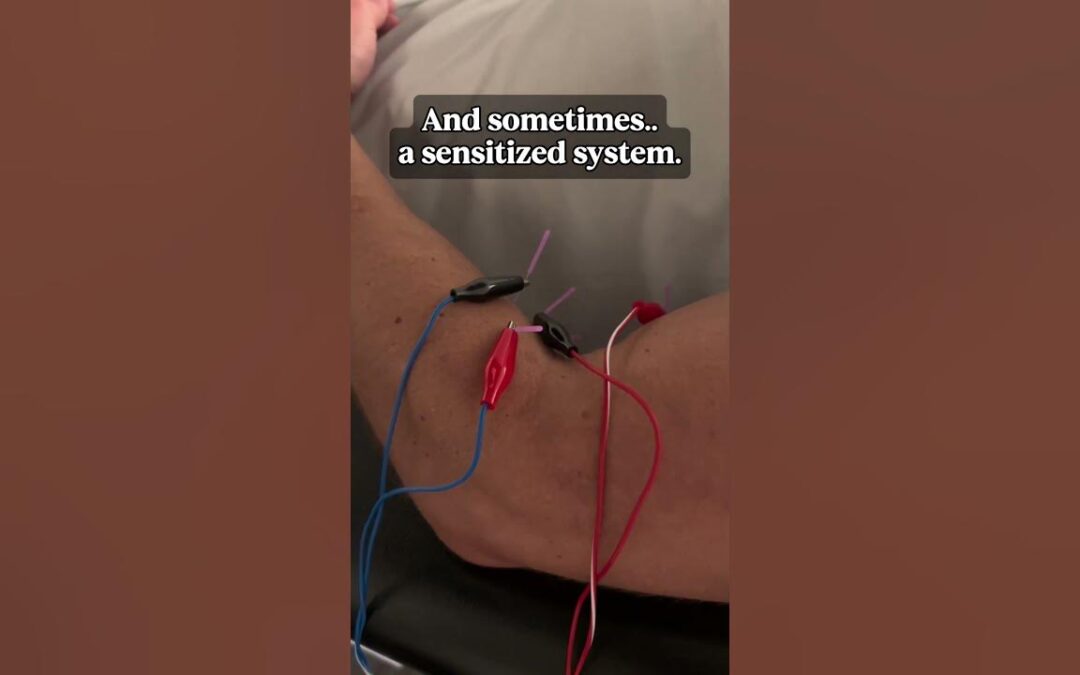
Can dry needling help tennis elbow? Research supports dry needling as an option for reducing pain and improving function in people with lateral elbow tendinopathy. The most useful question is how it fits your examination and recovery plan. At Mindful Movement PT, we connect symptom relief with progressive strengthening and practical changes so gripping, lifting and playing become more comfortable.
When even a coffee cup or handshake reminds you about your elbow, it is easy to start protecting the arm all day. You may have tried rest, stretching or a brace, only to find the pain returns as soon as you use it. We want to help you understand why everyday tasks have become difficult and build a workable path back to them.
If you would like to talk through your options, request a free 15-minute consultation.
Why gripping can hurt even if you do not play tennis
Tennis elbow, also called lateral elbow tendinopathy or lateral epicondylalgia, commonly produces pain near the bony point on the outside of the elbow. The forearm muscles that help extend and stabilize your wrist attach in this area. They work when you grip, carry, use tools, lift weights or hit a ball.
A change in demand can make symptoms more noticeable: a new pickleball routine, a busy stretch of yardwork, longer hours using tools or an increase in lifting. You do not have to identify one injury for the pain to be real. Tendon sensitivity, muscle function and how the nervous system processes pain can all influence the experience.
- Commonly difficult tasks: lifting a kettle, carrying groceries, opening a jar, using a mouse or returning a backhand.
- A useful clue: pain on the outside of the elbow that changes with gripping or resisted wrist movement.
- A reason to look more broadly: numbness, tingling, pain extending from the neck, marked weakness or an unusual pain pattern.
Inside-of-elbow pain may fit a different tendon pattern often called golfer’s elbow. Nerve irritation and neck-related symptoms can also resemble a local elbow problem. Our elbow-pain treatment guide covers the broader assessment. A painful grip alone cannot confirm the diagnosis.
What does the research say about dry needling for tennis elbow?
The 2022 physical therapy clinical practice guideline for lateral elbow pain gives a grade B recommendation for dry needling to address pain and function deficits. It discusses both tendon and trigger-point approaches. The same guideline recommends resisted wrist-extensor exercise as part of care for subacute or chronic lateral elbow tendinopathy.
A 2024 randomized trial involving 143 people found better pain and function at three months when electrical tendon needling and manipulation were added to a broader physical therapy program. Because those treatments were added together, that trial cannot tell us how much of the improvement came from needling alone.
The encouraging message is that rehabilitation has useful options. Studies use different needling techniques; a research protocol is not automatically the treatment you will receive here. We explain the approach being considered, its purpose and alternatives before you decide.
What might dry needling change?
Dry needling uses a thin, solid needle; no medication is injected. When muscle pain or sensitivity is contributing to your elbow symptoms, we may consider it to help you move or practice a useful exercise more comfortably. We choose a goal you can recognize, such as an easier grip or a less painful lift, and review the response.
Feeling less sore on the treatment table is welcome. Being able to use the arm more confidently is what makes that relief valuable. Your plan should also address the strength and activity demands that still need rebuilding.
Needling does not have to be part of your care. Some people prefer exercise, education and hands-on treatment without needles. We can talk through those options together.
What we look at before choosing treatment
Your first 60-minute evaluation starts with your story: how the pain began, what you have tried and which tasks you need back. Tell us what a normal workday or workout asks of your arm. A photograph of your tool setup or a description of your sport can be useful.
- Elbow and wrist movement: where movement is comfortable or limited and whether loading reproduces the familiar pain.
- Grip and strength: how the arm handles an appropriate task and which starting exercises are tolerable.
- The wider pattern: shoulder, neck or nerve-related findings when your symptoms call for that assessment.
- Your current demands: the frequency, resistance and recovery time involved in work, home tasks and exercise.
Dr. Emily Warren, DPT, Cert. MDT, is a McKenzie-certified physical therapist. That assessment background is particularly relevant when your history suggests the neck may be contributing. We do not assume a painful elbow means everyone needs the same wrist stretch or the same procedure.
How we help turn relief into a stronger, more useful arm
Choose a manageable starting load
Complete rest can make the arm feel better until the next demanding task. Instead, we help you find a useful amount of activity and resistance you can recover from. That might start with a gentle wrist-extensor hold or a light resisted movement, depending on your examination.
The exercise dose matters. We explain how much to do, what response is acceptable for you and when to adjust. If every attempt leads to a large or lingering flare, we change the starting point rather than asking you to keep forcing it.
Make everyday tasks easier while you rebuild
Temporarily carrying an object closer to your body, using two hands for a heavier lift or taking shorter blocks of repetitive work may reduce the demand on a sensitive elbow. A comfortable wrist position can help during gripping. We choose changes that fit your life, then gradually restore the tasks you need.
A brace may help a particular task feel easier, but it is optional and should not replace a plan for strength and activity. The same applies to any temporary relief from needling or manual therapy.
Practice the activity you want back
For a pickleball player, progress may mean shorter sessions before longer games. For someone who lifts, it may mean changing grip, resistance or total sets before building them back. For a busy parent, it may mean carrying a child or managing household tasks without anticipating a sharp twinge.
We track a few repeatable markers: a comfortable carrying task, grip tolerance, an exercise load and your response later that day or the next morning. Those changes are more informative than repeatedly pressing the sore spot to see whether it still hurts.
Why patients value a plan that fits them
In her public Google review, Mia Dulude describes a thorough evaluation, being listened to and a workout tailored to her needs. Her review of care at Mindful Movement captures the experience we want for you: time to be heard, a clear explanation and a plan you can put into practice.
You should understand why each part of treatment is there. If needling gives only a brief change, we look at what is missing from the wider plan. If it makes no useful difference, we reconsider its role.
Your questions about dry needling and elbow recovery
How many sessions will I need?
We decide from your starting point, goals and response. We do not ask everyone to follow a fixed needling series. Useful changes in gripping, lifting or exercise should guide whether we continue, progress or change the plan.
Will it hurt, and can I use my arm afterward?
You may feel a brief prick, ache or muscle twitch, and temporary soreness or bruising can occur. We explain relevant risks before treatment and give you activity advice for the area treated. You can pause or decline. Tell us about medications, bleeding concerns, infection, recent surgery or other health changes.
Can I keep playing or lifting?
Often the starting point is modifying the dose rather than stopping everything. We help you judge what is tolerable and how to progress. A hard session immediately after symptom relief can still exceed the arm’s current capacity.
What if I have tingling or sudden weakness?
Those symptoms deserve assessment rather than assuming tennis elbow. Seek prompt care after a significant injury, with deformity or major loss of movement, a hot swollen joint with fever, or new marked weakness. We can help identify when another medical evaluation is needed.
Can this be done virtually, and do I need a referral?
No referral is needed for in-person PT. Needling requires an in-person visit. Virtual coaching from anywhere can support movement education and wellness goals; ask about clinical virtual PT eligibility for your location and needs.