
Why does the outside of your hip hurt when you lie on your side? A common explanation is irritation around the gluteal tendons and nearby tissues on the outside of the hip, often called greater trochanteric pain syndrome. Pressure from lying on that side can make the area uncomfortable. Back-related pain and hip-joint problems can also contribute, so the most helpful starting point is understanding your particular pattern.
It is frustrating when a hip that lets you get through the day will not let you settle into bed. You turn over, adjust the pillow and wonder whether you should stretch, rest or push through. At Mindful Movement PT, we help you make sense of that pattern and choose a plan that supports better sleep, comfortable walking and the activities you miss.
If you would like help deciding where to start, you can request a free 15-minute consultation.
Is it hip bursitis, a tendon problem or pain from your back?
The bony point on the outside of your hip is called the greater trochanter. Your gluteal tendons attach nearby, and small fluid-filled bursae help tissues move over one another. Several structures can become sensitive in this area. That is why the familiar label “hip bursitis” does not always describe the whole problem.
- Gluteal tendon-related pain: often felt over the outside of the hip, with side-lying, stairs, longer walks or standing on one leg becoming uncomfortable.
- Local muscle sensitivity: may add aching or a feeling of tightness in the hip and buttock. It can occur alongside tendon-related pain.
- Referred back pain: can be felt around the buttock or hip, sometimes with leg pain, tingling or symptoms that change with sitting or back movements.
- Hip-joint pain: may be more noticeable in the groin or front of the hip, with stiffness, difficulty putting on shoes or a change in walking.
These are clues to discuss, rather than a checklist for diagnosing yourself. More than one contributor can be present. We assess the hip and, when relevant, the back so your treatment does not stop at whichever spot feels sore.
Why can sleeping on either side bother the same hip?
Lying directly on a tender outer hip adds pressure. Lying on the other side can also be uncomfortable if the top leg drops across your body, bringing the knee toward the mattress. That position can place the sensitive outer-hip tissues under sustained compression.
The same pattern can show up during the day when you stand with your weight hanging into one hip or sit with your legs crossed for a long time. You do not have to hold a perfect posture. We look for a few positions you can vary to give an irritated area a chance to settle.
What can you try tonight?
Start with comfort, not a forceful stretch. A small change that helps you sleep is useful information for your assessment.
- Try the less painful side with support. Place a pillow between your knees and lower legs so the top leg does not fall across your body.
- Try lying on your back. A pillow under your knees may make that position more comfortable. Choose the position that actually helps your symptoms.
- Ease direct pressure. Avoid prolonged lying on the sore side, and pause aggressive foam rolling directly over the painful bony area if it makes symptoms worse.
- Keep some comfortable movement. Shorter, flatter walks may feel better than one long, hilly outing while symptoms are sensitive.
If a stretch reliably increases the outer-hip pain, it is reasonable to stop forcing it. Persistent tightness does not always mean the area needs more stretching. Note what changes your symptoms and how the hip feels the next morning; that helps us choose a starting exercise and activity level.
How we build a plan for better sleep and stronger hips
We begin with what you want back: sleeping through the night, taking the stairs, walking the dog or enjoying a favorite trail. Your first 60-minute evaluation gives us time to hear your history, examine relevant movements and explain the next steps.
1. Understand the pattern
Dr. Emily looks at the location of pain, hip movement and strength, walking and the activities that bring symptoms on. If your history suggests a back contribution, Dr. Emily’s McKenzie Method assessment can help explore whether particular movements change your symptoms. We use the findings to guide care, rather than assuming every outer-hip problem is a tight muscle.
2. Reduce the irritation you can change
We help you adjust the positions and activity demands that repeatedly stir symptoms up. That may mean changing how you sleep, spreading walking across the day or temporarily reducing hills. The purpose is to keep you participating while creating a more comfortable starting point for exercise.
3. Build strength for your actual life
Your exercises should match your starting capacity. We may begin with a tolerable hip-strengthening movement, then progress resistance, balance and activities such as stepping or walking as your response allows. We explain what level of discomfort is acceptable for you and what response means the plan needs adjusting.
There is good reason to feel hopeful about an active approach. In a 204-person trial of gluteal tendinopathy, education about managing tendon load combined with exercise produced better overall improvement than a corticosteroid injection at eight and 52 weeks. At 52 weeks, pain intensity did not differ between those two groups. The practical lesson is that understanding daily loading and building capacity deserve a central place in care.
Can dry needling help outside-of-hip pain?
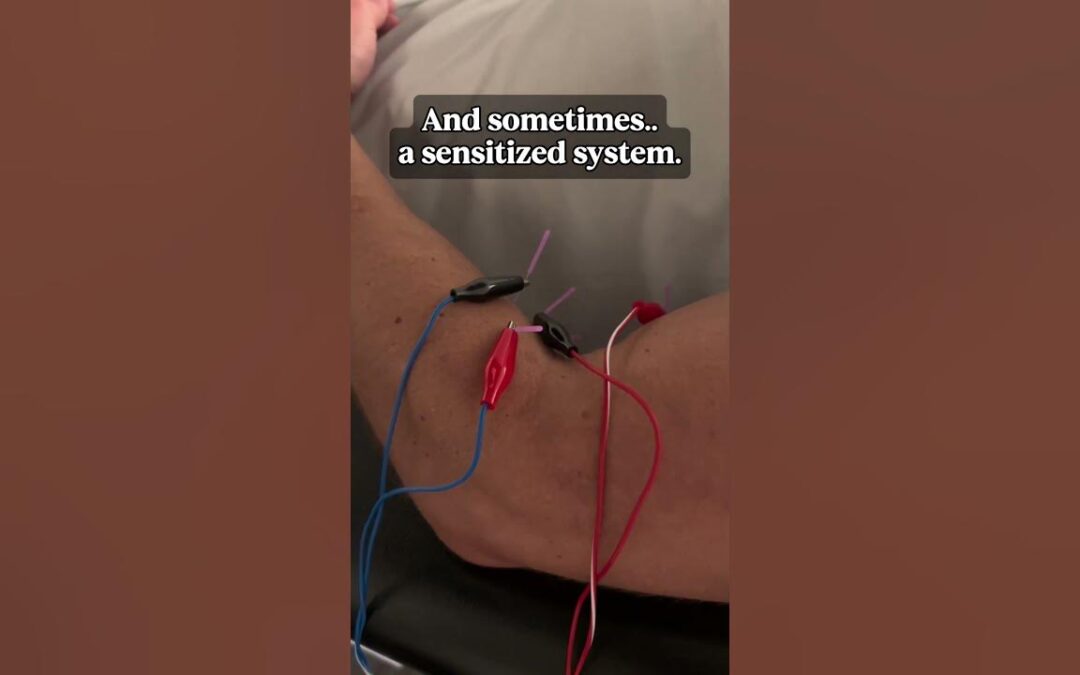
It may be a useful option when muscle pain or sensitivity is part of your presentation. We consider whether easing that discomfort could help you walk, sleep or practice your exercises more comfortably. Needling is one possible tool within your plan; you can also choose care without needles.
A small randomized trial involving 43 people with greater trochanteric pain syndrome found dry needling was not inferior to a cortisone injection for pain and function at six weeks. That is encouraging short-term evidence, but it does not show that needling repairs a tendon or establish longer-term equivalence. We connect any relief to the strengthening and activity changes your assessment supports.
Our guide to dry needling for hip and glute pain explains that treatment in more detail. You can also explore our hip-pain physical therapy approach.
What progress should you look for?
Improvement should show up between appointments. We might track fewer sleep interruptions, a longer comfortable walk, easier stairs or being able to add resistance without a prolonged flare. Pick one or two activities that matter to you and compare them over time.
A sensitive day does not automatically mean you have damaged the hip. We help you understand your response, adjust the dose and keep moving forward. If the pattern is not improving, we reassess the explanation and the plan.
In her public Google review, Allison Henricks describes understandable explanations and a manageable exercise program. Her review highlights something we value throughout care: you should leave knowing what to do and why it belongs in your plan.
Questions about hip pain when lying on your side
Should I stop walking?
Not necessarily. We often look for a distance and terrain you can tolerate, then build from there. If a long walk brings a large or lasting flare, shorter outings may be a better starting point. A new inability to bear weight needs prompt assessment.
Do I need an MRI before starting PT?
Often an examination can guide the first steps. Imaging becomes more useful when the history or findings suggest another problem, when symptoms are not following the expected course, or when the result would change treatment. Bring any imaging you already have.
When should night pain be checked more urgently?
Pain that changes with side-lying is different from severe, unrelenting pain regardless of position. Seek prompt medical assessment for significant trauma, inability to bear weight, fever or unexplained illness, or rapidly worsening symptoms. Tell us about a history of cancer, osteoporosis or recent fracture.
Can I get help virtually?
Virtual coaching from anywhere can support movement education and wellness goals. Dry needling requires an in-person appointment. Ask which format fits; clinical virtual PT has separate location and suitability requirements.