
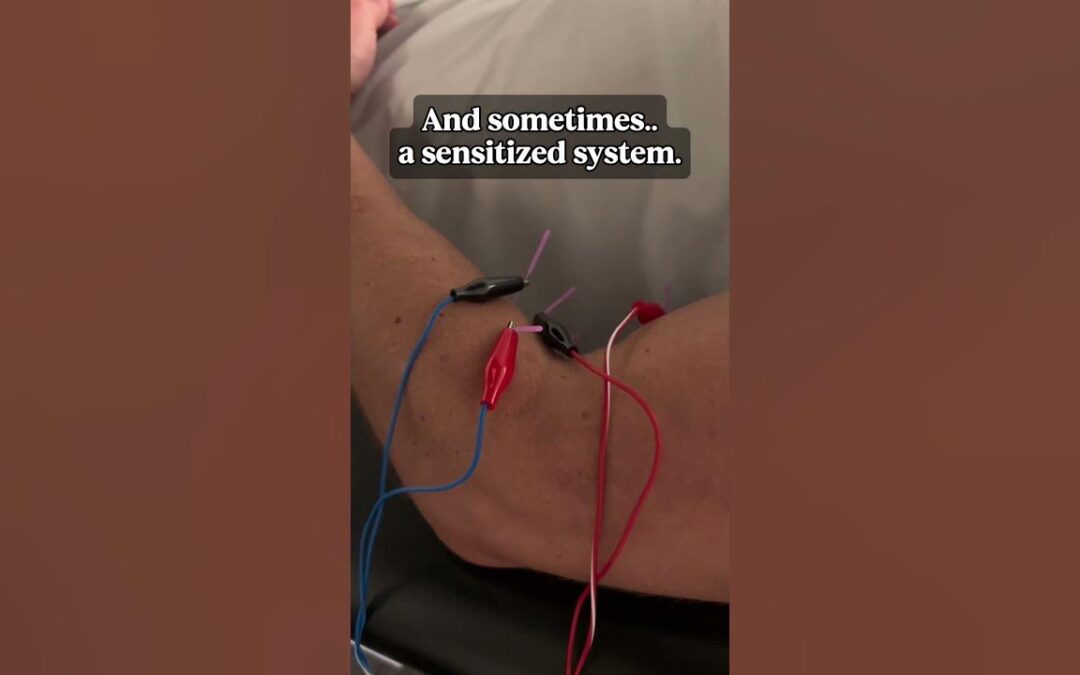
Can dry needling help hip and glute pain? It can help when sensitive, guarded muscles are part of the problem. We assess your hip and back, then connect relief with exercises and practical guidance chosen for you. We want sitting, sleeping, walking and getting back on the trail to feel easier.
Wondering whether this is the right next step? Start with a free 15-minute consultation. Tell us what you have tried and what you want back. We will answer your questions about care with Dr. Emily and help you choose a starting point. No referral is needed at our Holladay clinic, serving Greater Salt Lake City.
Why Does Hip and Glute Pain Linger?
Hip pain can be frustrating when you have already tried stretching, foam rolling or resting and it keeps coming back. You may feel a deep ache in your buttock after sitting, soreness on the outside of your hip during a walk, or a pinch at the front of your hip when you stand up.
Those symptoms do not all come from the same place. Muscles around the hip can become sensitive, the gluteal tendons can struggle with a change in activity, and the lower back can refer pain into the buttock or hip. More stretching is not always the missing piece.
At Mindful Movement PT, we start by finding out what brings your symptoms on, what settles them and what you want to do comfortably again. Dry needling can be a useful part of that plan when muscle sensitivity or guarding is limiting movement. We then help you build the strength and activity tolerance to make use of that relief.
Alongside the video: Needling is one option we can discuss after an assessment. We agree on what it is meant to improve, check your response and connect the session to movement you can practice between visits.
Where is your hip pain, and what is it stopping you doing?
- Outside of the hip, especially when lying on that side: we assess the gluteal tendons and muscles and discuss comfortable sleep positions and loading. See our side-lying hip-pain guide.
- Deep buttock discomfort with sitting: we look at the hip and lower back rather than assume it is always the piriformis.
- Front-of-hip pain: movement and strength findings help us decide whether the hip flexors or another structure needs attention.
- Pain or tingling traveling down the leg: we include a back and nerve assessment. Our sciatica and dry-needling guide explains that pathway.
The Key Muscles We Consider for Hip and Glute Pain
The location of your pain gives us useful clues. It does not, by itself, tell us which muscle needs treatment. We consider these areas alongside hip-joint movement, tendon loading and a lower-back screen.
Explore the piriformis, gluteal muscles, TFL and hip flexors
Piriformis
The piriformis is a small muscle beneath the gluteus maximus, close to the sciatic nerve. Pain in this region may show up as:
- A deep buttock ache that is difficult to pinpoint
- Discomfort with prolonged sitting
- Pain on stairs, hills or while running
- Pain extending into the back of the thigh
These symptoms can overlap with sciatica. We check whether the back or a nerve is contributing before deciding that the piriformis is the main issue. Needling may help a sensitive muscle, but it does not establish the cause of leg pain or repair a compressed nerve.
Our guide to piriformis syndrome and deep gluteal pain explains how we sort through those possibilities.
Gluteus Medius
The gluteus medius helps control your pelvis when you stand on one leg, walk, run or hike. Pain around its tendon attachment on the outside of the hip can make stairs, longer walks and lying on your side uncomfortable.
Often called “hip bursitis,” this pattern can involve the gluteal tendons as well as nearby tissues. We look at how much loading the hip currently tolerates and how it responds to different positions. Muscle tenderness does not automatically mean weakness, and strengthening should be matched to your starting point.
If sleep is your main concern, read why the outside of your hip can hurt when you lie on your side. It includes practical ways to reduce irritation while you build the hip’s capacity.
Tensor Fasciae Latae (TFL)
The TFL is a small muscle at the front and outside of the hip that connects with the iliotibial band. This region may feel tight or sore during running, after hills or with a change in training.
We look beyond the tight feeling: did your mileage change, is your hip tolerating single-leg loading, and are symptoms connected to your stride or back? Dry needling may help local muscle discomfort, while an adjusted training plan and progressive exercise address the demands of your activity. If you also have knee pain, we consider the whole movement pattern.
Hip Flexors (Iliopsoas)
The iliopsoas helps lift your thigh and has attachments near the lumbar spine. Front-of-hip or groin discomfort can show up with running, stairs or moving from sitting to standing.
Because several hip and back conditions can cause similar symptoms, we assess the area before choosing treatment. Exercises, position changes or a gradual return to loading may be more useful than repeatedly stretching a sore hip flexor. We only discuss needling when it has a clear purpose and is appropriate for the area.
Gluteus Maximus and Minimus
The gluteus maximus helps with climbing, rising from a chair and powerful hip movement. The smaller gluteus minimus helps support the hip and pelvis. Sensitivity around these muscles can contribute to buttock or outer-hip discomfort, sometimes with pain felt farther down the thigh. We use your history and examination to separate local muscle pain from tendon, joint or nerve-related symptoms.
How Dry Needling Helps Runners and Hikers Specifically
Running the Bonneville Shoreline Trail, hiking in the Wasatch and cycling the Jordan River Parkway all ask different things of your hips. A change in distance, elevation, pace or recovery time can matter as much as a tender muscle.
- Trail runners: We consider climbs, descents, uneven ground and how the hip tolerates repeated single-leg loading.
- Road runners: We review mileage, pace, recent training changes and the point in a run when symptoms begin.
- Hikers: We consider pack weight, steep sections, downhill tolerance and how you feel later that day and the following morning.
If dry needling makes a movement more comfortable, we use that opportunity to practice and strengthen. We also adjust the activity that has been exceeding your current tolerance so you can keep building rather than repeatedly flare up.
Turn a hiking goal into a practical plan
Tell us which walk, trail or activity you want back. We can break it into manageable steps: comfortable flat walking, a modest incline, longer outings and then the terrain you enjoy most.
We track progress in everyday terms: how long you can sit, whether you sleep more comfortably, how stairs feel, and how far you can walk before symptoms build. Those changes tell us more than tenderness alone.
What to Expect During Your Hip/Glute Dry Needling Session
The Evaluation
Your first physical therapy assessment is a dedicated, one-on-one, 60-minute appointment with Dr. Emily Warren, DPT, Cert. MDT, a McKenzie-certified physical therapist. Before deciding whether needling fits, we may assess:
- Hip movement, strength and the activities that reproduce your symptoms
- Muscle and tendon sensitivity
- Your lower back and any symptoms traveling into the leg
- Walking, squatting, stairs or single-leg movement, depending on your goals
- Changes in training, sleep, sitting and other daily demands
When the back appears to contribute, the McKenzie Method helps us assess how symptoms respond to repeated movements or positions. That can guide a useful home strategy rather than treating the buttock in isolation.
The Treatment
We explain why we are recommending needling, what you might feel and the alternatives before you decide. You will usually be comfortably positioned on your side or stomach. A thin, single-use needle is placed into selected muscle tissue; you may feel a brief ache, pressure or twitch. We check in with you and adjust the treatment to your comfort.
We then recheck a meaningful movement or activity. A twitch is not the goal—the useful question is whether treatment helps you move, exercise or manage your day more comfortably.
After Treatment
Some people feel temporary soreness, often for a day or two. We explain what to expect and tailor your activity advice to your response. Gentle movement may feel good; a hard run or steep hike may need to wait until soreness settles. Your home plan is chosen to help you build on the session.
Why We Combine Dry Needling with Hip Strengthening
We want you to feel better and understand how to keep moving forward. Depending on the examination, your plan may include:
- Symptom relief: Optional dry needling or hands-on care to make movement more comfortable.
- Progressive strength: Exercises for the gluteal muscles and other areas that need more capacity, starting at a level you can manage.
- Activity guidance: Practical changes to walking, running, hills, sitting or sleep positions while the hip settles.
- Pain education and self-management: Understanding symptom fluctuations, choosing useful exercises and knowing how to respond to a flare.
Persistent pain can make movement feel uncertain. We help you find a tolerable starting point and build confidence through gradual progress. The goal is greater independence, with a plan you understand and can use.
What does research say?
In a small trial of 43 people with greater trochanteric pain syndrome, dry needling performed no worse than a cortisone injection for pain and function over six weeks. That supports discussing it as an option for some outer-hip pain, rather than assuming an injection is the only next step. Read the dry needling and injection trial.
For longer-term recovery from gluteal tendinopathy, a larger trial found that education about tendon loading plus targeted exercise produced better reported overall improvement than an injection at 52 weeks. This is why we put so much emphasis on a useful movement and strengthening plan. Read the education and exercise trial.
Why individualized care matters
In her public Google review, Mia Dulude describes a thorough evaluation, feeling listened to and exercises tailored to her needs. We want you to feel that same care and clarity: time to talk, a useful explanation and a plan connected to what matters to you. Read Mia’s public Google review.
Frequently Asked Questions
Is dry needling in the glute area painful?
You may feel a brief ache, twitch or pressure. People experience it differently, and you can ask us to pause or stop. We explain the process first and keep checking your comfort. You can also choose a treatment plan without needling.
How is dry needling different from cortisone injections for hip pain?
Dry needling uses a thin needle without medication to treat selected muscle tissue. A cortisone injection delivers medication to reduce pain and inflammation in a targeted area. The best choice depends on what is causing your pain, your goals and your medical history. The small six-week hip-pain trial described above supports needling as one option; it does not mean the two treatments are interchangeable for every hip condition.
Can dry needling help hip bursitis?
It may help when surrounding muscle sensitivity is contributing. Outer-hip pain often involves the gluteal tendons, sometimes alongside bursal irritation. We assess which activities and positions irritate the area, then build a plan that may include symptom relief, load adjustments and strengthening.
How many dry needling sessions will I need for hip pain?
We base that decision on your response and progress toward your goals. After trying it, we reassess whether sitting, walking, sleeping or exercise is becoming easier. If it is not adding useful benefit, we adjust the plan rather than continuing a treatment simply because an area is tender.
Can I hike after dry needling?
It depends on your soreness and how your hip responds to an easier walk. Start with a shorter, gentler outing if that feels comfortable, and follow the activity guidance we agree on. Save a long, steep hike for when you tolerate the demands without a significant flare later or the next morning.
Do I need imaging before getting dry needling for hip pain?
Often, we can begin with a clinical assessment. If your history or examination suggests imaging or medical evaluation would change the next step, we will explain why and help you find the appropriate care. New severe pain after a fall or an inability to bear weight deserves prompt medical assessment.
Get Back to the Trails and Activities You Love
You do not need to know which muscle is sore or which treatment to choose before reaching out. Tell us what hip or glute pain is keeping you from doing, and we will help you understand your options.
In-person assessment and dry needling are available in Holladay, serving Greater Salt Lake City. No referral is needed. Virtual coaching from anywhere can support movement, exercise and self-management goals; needling itself is an in-person treatment.
Free consultation
Let’s talk about your goals and the care that could help.
Tell us what you want to work on and what you want back. In your free consultation, we’ll listen, answer questions about care with Dr. Emily and help you choose a starting point.
Local or virtual: Consultations can happen by phone or video. New in-person PT appointments are in Holladay, serving Greater Salt Lake City. Virtual coaching is available from anywhere; ask about clinical virtual PT availability for your location and needs.
This introductory conversation is separate from your first 60-minute physical therapy assessment.
Related Reading
- Outside hip pain when lying on your side
- Hip pain physical therapy in the Salt Lake City area
- Dry needling at Mindful Movement PT
- Dry Needling FAQ
Written by Dr. Emily Warren, DPT, credentialed McKenzie therapist
Dr. Emily is the owner of Mindful Movement PT in Holladay, serving Greater Salt Lake City. She is a credentialed McKenzie therapist. Learn about Dr. Emily’s credentials and clinical background, or explore how assessment, education and exercise guide care at Mindful Movement PT.
In-person care in Holladay, serving Greater Salt Lake City
4890 Highland Dr, Holladay, UT 84117, near Millcreek and Cottonwood Heights.
Virtual coaching is available from anywhere for movement and self-management goals. Questions? Call or text (385) 332-4939.