
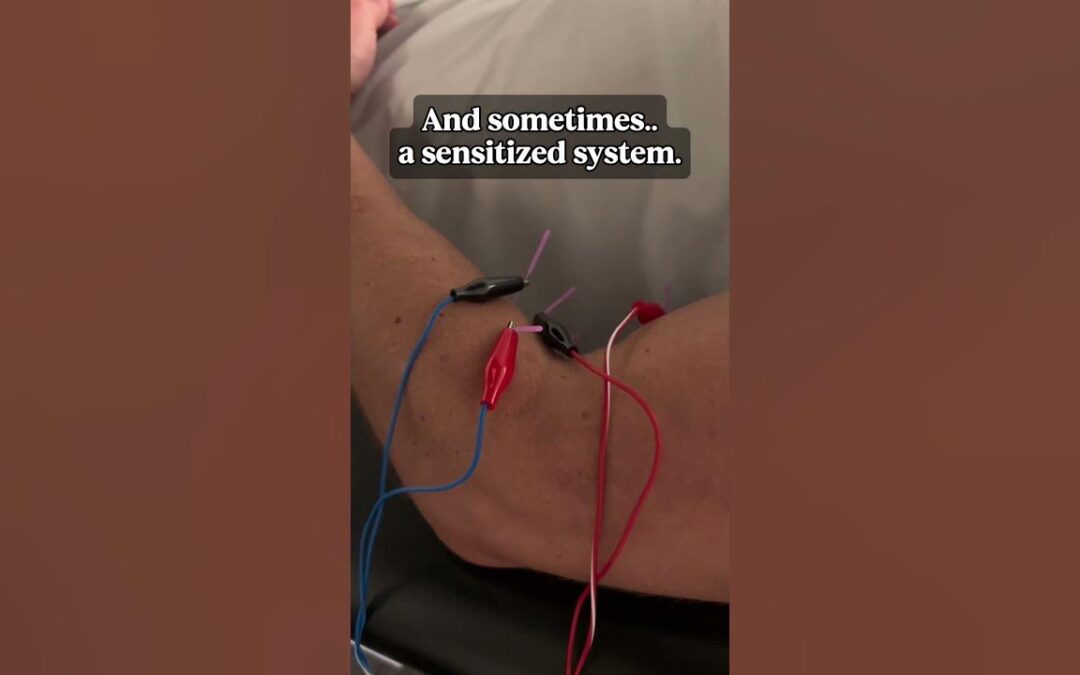
Dry needling may be worth considering when sore chewing muscles are part of your jaw pain. We begin by finding out what makes chewing, talking or opening uncomfortable, then build a plan that helps you use your jaw with more confidence. You do not need to know whether the problem is a muscle, a joint or your neck before you come in.
At Mindful Movement PT, you receive dedicated one-on-one care with Dr. Emily Warren, DPT, Cert. MDT, a McKenzie-certified physical therapist. Your first evaluation is 60 minutes, and no referral is needed. We offer in-person appointments in Holladay, serving Greater Salt Lake City. If you would like help deciding where to start, request a free 15-minute consultation.
Is this TMJ pain, muscle tension or something else?
People often use “TMJ” to mean any jaw problem. The TMJ is the joint just in front of each ear; TMD describes a group of conditions involving the joints, chewing muscles and related structures. That distinction matters because the same treatment will not suit every jaw symptom.
Tell us what your day is like. Does your jaw ache through breakfast? Does a long conversation leave your temples sore? Do you avoid a sandwich because opening feels restricted? Does clicking come with pain or locking? Those details help us choose a useful starting point and something meaningful to track.
A painless click by itself is common and usually does not need treatment. When pain, locking or limited opening changes what you can eat or do, an assessment can help. Dental pain, a sudden bite change or symptoms after an injury also deserve attention from your dentist or appropriate medical clinician. The National Institute of Dental and Craniofacial Research’s TMD guide explains these different patterns.
How dry needling can fit into jaw-pain treatment
Dry needling uses a thin, solid needle without medication. We may discuss it when your examination suggests that selected jaw or related neck muscles are contributing to familiar discomfort. Muscles such as the masseter at the side of the jaw and temporalis near the temple work during chewing and clenching.
Our goal is a useful change in function: easier opening, a more comfortable meal or less ache while talking. We compare that task before and after treatment, then ask whether the improvement carries into your day. A tender spot alone does not establish the cause of every symptom.
The research on dry needling specifically for jaw and facial pain is limited. A 2024 review of 24 randomized trials found little reliable evidence that it reduces this group of pain conditions. We explain that honestly and decide together whether a carefully monitored trial adds value for you. You can also make progress with a plan that does not involve needles.
There is a stronger reason to make rehabilitation the foundation. A clinical guideline for chronic TMD pain recommends approaches including supervised jaw exercise, hands-on mobilization, education and home care. We connect treatment with what you can practice between appointments.
What your first appointment looks like
We start by listening to what has been happening, what you have already tried and what you want back. Bring your dental recommendations, appliance information and any relevant previous treatment details.
- Understand the pattern: when symptoms occur, what changes them and whether clenching, sleep, headaches or neck pain are part of the picture.
- Examine useful movement: comfortable opening, jaw movement and relevant neck findings, alongside muscle sensitivity and your health history.
- Choose treatment together: movement practice, hands-on care, dry needling when appropriate, and practical ways to reduce repeated aggravation.
- Practice your home plan: leave knowing what to do, how much to try and which changes to notice.
Dr. Emily’s McKenzie training is relevant when neck symptoms need assessing. We look for a helpful response to selected movements or positions rather than assume every jaw problem starts in the neck. Read more about the jaw, neck and clenching connection.
Useful steps while your jaw is sore
You do not have to solve everything at once. A few small changes can make eating and daily life less of a battle while we work out the right plan.
Give repeated clenching a break
Notice your jaw during a familiar cue, such as checking your phone or stopping at a traffic light. If your teeth are pressed together, let the jaw soften. The aim is gentle awareness, not monitoring yourself every minute. Reduce gum chewing or nail biting if those habits bring on your symptoms.
Make meals more comfortable, then build back
Temporarily choose foods that need less effort to chew, take smaller bites and avoid repeatedly testing a painful wide opening. This is a short-term adjustment, not a reason to fear normal food. As comfort improves, we help you build back toward the foods you enjoy.
Keep movement comfortable
Use gentle opening and closing within a comfortable range rather than forcing a bigger stretch or trying to make a click happen. Heat or cold may feel soothing; protect your skin and use what is comfortable. These simple measures are consistent with NIDCR’s conservative-care advice.
Track something that matters
Choose one useful task: breakfast, a work call or comfortable yawning. Note how it feels and whether discomfort settles afterward. That tells us more about progress than repeatedly pressing the same tender spot. We can adjust your exercise dose and daily demands from that information.
What improvement should feel like
We want care to give you more freedom: eating without planning around every bite, finishing a conversation with less ache or feeling less guarded when you open. We may track comfortable opening, chewing tolerance, symptom frequency and how confidently you manage a flare.
If needling gives a brief change but your day is not getting easier, we revisit the plan. That may mean changing the exercise, reviewing repeated clenching or sleep-related concerns, or coordinating with a dentist or another clinician. Follow-up should have a clear purpose.
In her public Google review, Allison Henricks describes clear explanations and exercises that were simple and useful. That is the experience we want you to have here: understand the next step and feel able to use it at home. Read Allison’s original review.
Your questions, answered
Can dry needling fix jaw clicking or reposition a disc?
It should not be promised to do either. We focus on comfortable movement, eating and function. A painless click may not need treatment. Painful locking, a jaw that gets stuck or progressively restricted opening needs a closer assessment; do not force it open.
What will jaw dry needling feel like?
You may feel a brief ache, muscle twitch or cramping sensation, followed by soreness. We explain the proposed area, benefits, alternatives and risks before you decide. You can pause or choose treatment without needles. Let us know about medications, bleeding concerns, infection or other relevant health conditions.
Should I choose PT, a night guard or Botox for jaw pain?
These options have different jobs. Physical therapy addresses appropriate jaw movement, muscle-related pain, useful exercises and relevant neck findings. A dentist-provided night guard can protect teeth and may help with clenching habits; bring it and your dentist’s instructions so we understand the care already in place.
Botox is a medication injection, not dry needling, and we do not offer it. Its role in TMD needs a discussion with the prescribing clinician; the NIDCR guide reports mixed evidence. We can help you explore conservative movement and self-care options and coordinate with your dentist. An appliance that causes pain should be reviewed by the clinician who provided it.
Can dry needling stop jaw clenching or teeth grinding?
It is not a dependable way to switch off bruxism. When chewing muscles such as the masseter are sore, we may discuss whether needling has a useful role for those symptoms. We also help you notice repeated daytime clenching, practice a comfortable resting position and build eating tolerance. Night-time grinding or tooth damage deserves dental assessment.
Can stress really affect jaw pain?
Stress, sleep and repeated tension can influence how symptoms feel. That does not make the pain imaginary or mean you have caused it. We can discuss practical ways to interrupt clenching and make movement feel safer while addressing physical findings.
How many appointments will I need?
We use your examination, goals and response to plan follow-up. We check whether eating, opening or another meaningful activity is improving, then decide what needs progressing. You do not need dry needling at every visit.
Can I start virtually?
Dry needling requires an in-person appointment in Holladay. Virtual coaching from anywhere can support general movement education, exercise practice and planning. We can help you decide whether an in-person clinical evaluation is the appropriate starting point.
When should I seek help sooner?
Arrange prompt dental or medical care for new marked swelling, fever, facial weakness, a jaw locked open or closed, or symptoms after significant injury. Jaw discomfort with chest pain, breathlessness or sweating needs emergency medical attention.
Dry needling for TMJ can sound unfamiliar when your jaw already hurts.
We’ll explain where dry needling may fit, welcome your questions and build a jaw-care plan with your preferences in mind.
After feeling uncomfortable in other PT settings, Emily L. described a more reassuring experience.
“I’ve always been uncomfortable in PT settings, but she has completely changed that.”
Let's choose a useful starting point for your jaw
Tell us what chewing, opening or talking feels like for you. We can assess the pattern, discuss whether dry needling has a useful role and practice a home plan together. The aim is more comfortable moments throughout your day.
In your free 15-minute consultation, we’ll listen to what you want back, answer your questions and help you decide whether care with Mindful Movement fits. Send a request and we’ll contact you by phone or text to arrange a time.
Request your free 15-minute consultation
Dedicated one-on-one PT with Dr. Emily Warren, DPT, Cert. MDT—McKenzie certified. No referral needed. Your first PT visit is 60 minutes for assessment, explanation and a starting plan practiced together. The free consultation is a conversation before care.
In-person care at our Holladay clinic, serving Greater Salt Lake City. Virtual coaching from anywhere.
Ready to begin? Book your first 60-minute PT appointment · Call/text (385) 332-4939.