
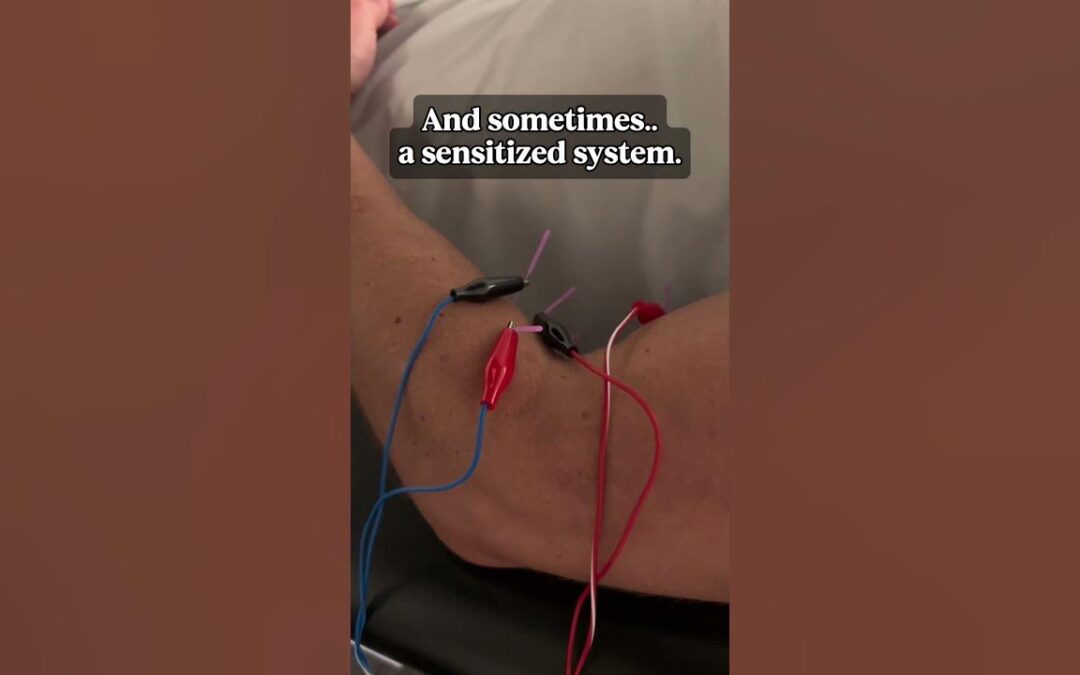
Jaw pain and neck tension can occur together. We examine both when the pattern calls for it, then help you find a comfortable way to chew, turn, talk and get through your day. Dry needling may be one part of care; understanding the pattern and building a manageable home plan give the treatment a direction.
Maybe you wake with an aching jaw, catch yourself clenching at work or feel tension through your temples and neck by dinner. We want to hear the whole story. You receive dedicated one-on-one care with Dr. Emily Warren, DPT, Cert. MDT, a McKenzie-certified physical therapist. No referral is needed. In-person appointments are available in Holladay, serving Greater Salt Lake City. A free 15-minute consultation can help you decide whether this is the right place to begin.
Why look at the neck when your jaw hurts?
The jaw and neck share the work of everyday tasks such as eating, speaking and holding your head comfortably. Symptoms in one area can coexist with symptoms in the other. That gives us a reason to examine both, rather than a reason to assume one structure is out of place.
We ask whether neck movement changes familiar pain, whether chewing or clenching brings it on, and what happens during work, driving or sleep. We compare those answers with the examination. The useful question is: which findings can guide a plan that makes your actual day easier?
If you have neck symptoms, Dr. Emily may use her McKenzie training to assess the response to selected movements and positions. A helpful response can guide a focused home strategy. That is not a jaw-realignment technique or a single exercise for everyone.
Our dry needling for TMJ guide covers the needling decision in more detail. This page focuses on how jaw symptoms, clenching and neck findings fit together.
Our jaw-and-neck physical therapy guide explains the broader assessment and care options.
What can you do when you keep catching yourself clenching?
Start with curiosity rather than blame. Clenching can happen during concentration, stress or sleep. You may be doing it without noticing. A plan should help you interrupt repeated strain and move more comfortably, not give you another thing to worry about doing perfectly.
Use one or two everyday reminders
Choose a cue you already encounter, such as opening your email or stopping at a light. Check whether your teeth are pressed together; if they are, let your jaw soften and take a comfortable breath. Then return to your day. Constant checking can become exhausting, so keep the reminder simple.
Reduce repeated testing
It is understandable to keep opening wide, pressing on a sore muscle or trying to reproduce a click to see whether things have changed. Instead, choose one everyday task to review at a sensible interval. We want to know whether breakfast or a conversation is getting easier.
Keep your day adaptable
If sustained computer work bothers your neck, change position regularly and bring frequently used items within comfortable reach. During a jaw flare, smaller bites and temporarily easier-to-chew foods may make meals more manageable. You do not need to hold a perfect posture or give up normal movement indefinitely.
Discuss morning symptoms
Tell us if your jaw aches on waking or your dentist has noted grinding or tooth wear. Follow your dentist’s advice about tooth protection. Snoring, gasping or marked daytime sleepiness also deserve discussion with a medical clinician. We can work on suitable movement and muscle symptoms while other contributors are assessed.
How we build your plan at Mindful Movement
Your first 60-minute evaluation gives us time to understand what is happening and practice a useful starting point. Bring what you have already tried, including exercises, dental recommendations and any appliance instructions.
1. Find a meaningful baseline
We might compare comfortable opening, chewing tolerance, turning your head or the discomfort that builds during a workday. We also ask what you want to stop worrying about: a meal out, a long meeting or waking without an aching jaw.
2. Choose a small number of useful steps
Depending on the findings, care may include guided jaw movement, relevant neck exercise, hands-on treatment, education and dry needling. We practice the plan with you and make sure it fits your routine. More exercises are not automatically a better plan.
3. Build on the response
If a movement or treatment makes your task easier, we check whether that benefit lasts. We adjust the amount, range or challenge as you improve. If something is not helping, we reassess rather than repeat it indefinitely.
For chronic TMD pain, a clinical practice guideline supports conservative approaches including supervised jaw exercise, hands-on mobilization, education and home care. Those recommendations give us a positive reason to prioritize an active plan you can understand and use.
When might dry needling add something useful?
If familiar muscular soreness is limiting movement, we can discuss whether a trial of needling is appropriate. A thin, solid needle is used in selected muscle areas; no medication is injected. You may notice a brief ache or twitch and some soreness afterward.
We explain the proposed area, alternatives and risks, and you choose whether to proceed. We then compare a useful task and ask how the response carries into the rest of your week. You can choose treatment without needles.
Needling is not a way to permanently realign your jaw, reposition a disc or switch off every cause of clenching. A 2024 review found little reliable evidence for reducing jaw and facial pain with dry needling. That is why we make the whole rehabilitation plan the foundation and keep checking what helps you.
What we want you to get back to
The goal is more comfortable living: finishing lunch without protecting one side, turning to check traffic, speaking through a meeting or feeling less guarded around normal jaw movement. We track the activities that matter to you as well as symptoms.
A good early change might be finding a comfortable opening range and knowing how to settle a flare. As confidence grows, we work toward more normal chewing and the demands of your day. Your plan should become more useful and less consuming over time.
In her public Google review, Amanda Radford describes helpful neck care and realistic guidance for home. That reflects the kind of support we want you to feel: understanding what to do between visits, with a plan that fits your life. Read Amanda’s original review. Her account concerns neck care, rather than a TMJ-specific needling result.
Your questions, answered
Does tightness mean my neck is causing my jaw pain?
No. Coexisting tension is a reason to assess, not a diagnosis by itself. We compare history, movement and familiar symptoms, then decide which findings are useful. Dental, joint and other causes may need a different part of the plan.
Will chin tucks help TMJ?
They are not a universal jaw treatment. If neck exercise is relevant, we choose the movement and amount from your response and practice it together. Do not keep forcing an exercise that clearly worsens your symptoms.
Can physical therapy replace a night guard?
They can serve different purposes. We address suitable movement and muscular problems; your dentist advises on tooth protection and appliances. Keep following prescribed dental care and discuss any appliance-related pain with that clinician. We do not need to change your bite to help you work on comfortable movement.
What if my temples hurt or I have headaches?
We ask whether chewing, clenching or neck movement changes the familiar symptoms. That can help guide assessment, but not every headache is a jaw or neck problem. A sudden severe unfamiliar headache or new neurological symptoms needs urgent medical evaluation. Our headache guide explains the different treatment decisions.
How will I know whether care is helping?
Compare a meaningful task and the overall trend: easier meals, fewer interruptions at work, comfortable opening or less worry around movement. We use those changes to choose follow-up and progress the plan. A temporary reduction in tenderness is only one piece of the picture.
Can I get help virtually?
Dry needling requires an in-person visit in Holladay. Virtual coaching from anywhere can support general movement education and exercise practice. We can discuss which format fits and whether you need an in-person clinical evaluation.
When should I see a dentist or doctor promptly?
New swelling, fever, dental pain, a jaw that locks or progressively limited opening needs assessment. Seek emergency help if jaw discomfort occurs with chest pain, breathlessness or sweating.
Jaw pain and tension—and uncertainty about what dry needling involves.
We’ll explain the options, answer your questions and decide together whether dry needling belongs in a broader plan for your jaw.
During neck care, Amanda valued thorough treatment and a realistic plan at home.
“She helped me get quick relief with dry needling, but what really stood out was how thorough she was…”
Let's make eating and moving more comfortable
Tell us when your jaw and neck bother you most, from breakfast to a long conversation or a workday. We can look at the pattern together and practice a manageable plan around the moments you want to enjoy again.
In your free 15-minute consultation, we’ll listen to what you want back, answer your questions and help you decide whether care with Mindful Movement fits. Send a request and we’ll contact you by phone or text to arrange a time.
Request your free 15-minute consultation
Dedicated one-on-one PT with Dr. Emily Warren, DPT, Cert. MDT—McKenzie certified. No referral needed. Your first PT visit is 60 minutes for assessment, explanation and a starting plan practiced together. The free consultation is a conversation before care.
In-person care at our Holladay clinic, serving Greater Salt Lake City. Virtual coaching from anywhere.
Ready to begin? Book your first 60-minute PT appointment · Call/text (385) 332-4939.