
A herniated-disc diagnosis does not mean you have run out of options for feeling better. We help you understand your symptoms, find movement that supports recovery and build back toward work, sleep, exercise and the things you miss. If sore, guarded muscles are adding to the discomfort, dry needling may be one useful part of that plan.
One-on-one care with Dr. Emily Warren, DPT, Cert. MDT. We offer in-person appointments in Holladay, serving Greater Salt Lake City. No referral is needed. Dry needling is an in-person treatment; virtual coaching from anywhere can support movement education and exercise. Explore your next step in a free 15-minute consultation.
A disc finding is only part of the assessment
An MRI gives useful information about anatomy, but the report is only one part of your story. We also want to know where symptoms travel, what changes them and how your strength, sensation and daily activities are affected. A disc finding is not a measure of everything your back can do.
We start with a clear history and examination. When indicated, we assess strength, sensation and nerve-related findings alongside movement. That helps us decide what you can work on now, what needs monitoring and whether another medical assessment would help.
Read what to do after an MRI shows a herniated disc and our herniated-disc physical therapy guide for the fuller recovery pathway.
What goal would justify needling?
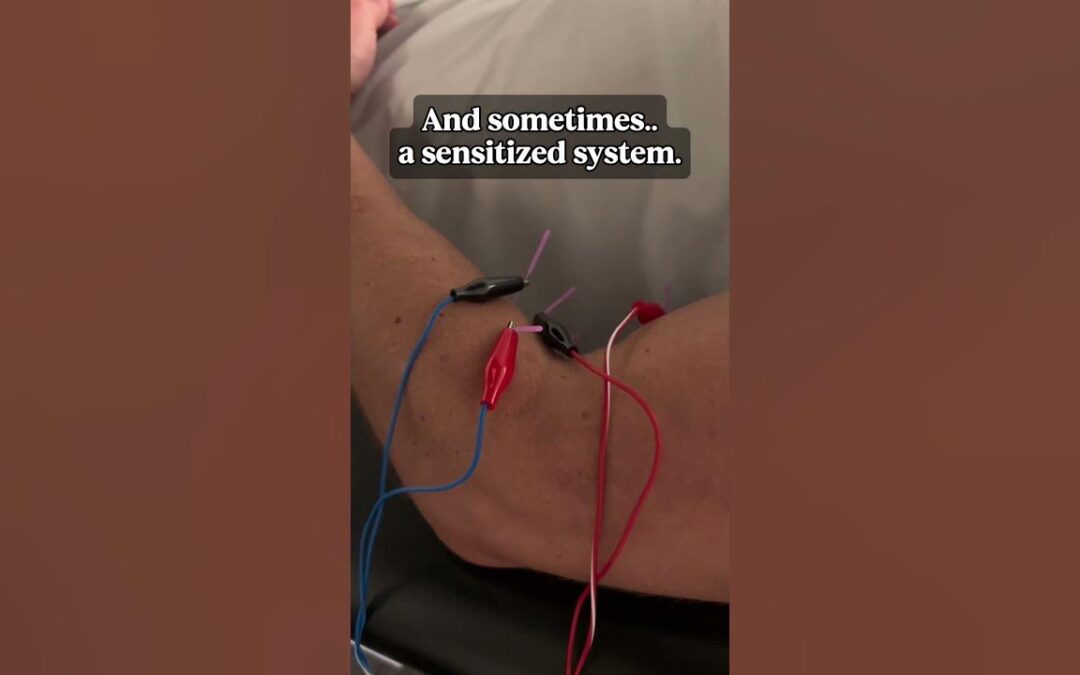
Needling can be considered when muscular pain or guarding is making a useful movement difficult. We might compare getting out of a chair, turning in bed or a selected exercise before and after treatment, then check how the change carries into your day.
Dry needling does not repair, shrink or push a disc back into place. Its possible role is easing associated muscular symptoms so active rehabilitation is more comfortable. We continue to assess leg symptoms and nerve findings separately.
The low-back pain physical therapy guideline supports considering needling with other treatments for short-term improvement in chronic low-back pain. That supports a focused role within rehabilitation; it does not establish a disc-healing treatment.
Combining it with an activity plan
If your back feels better briefly but sitting or walking is still difficult, we want to look beyond the tender muscle. Dr. Emily uses McKenzie assessment to test movement response and teach a helpful strategy when one is identified. Pain education and gradual activity work then connect relief with recovery. Our McKenzie guide explains the research; dry needling is an option within the plan, not a way to move a disc back into place.
If pain retreats from the leg toward the back, that centralizing response may help guide your program. If an exercise sends symptoms farther down the leg, leaves you persistently worse or produces new weakness, we want to reassess it. You do not have to prove your back is strong by pushing through the wrong movement.
We also explain pain in a way that supports action. Pain can be influenced by irritated tissues, nerve sensitivity, sleep, stress and your recent activity. It is real, and learning how to respond can help you become more confident with movement.
Once you have a manageable starting point, we gradually build walking, trunk and leg strength, lifting and the demands of your work or hobbies. The aim is a plan you understand and can use, with more independence as you progress.
What to work on alongside optional needling
- Choose meaningful milestones: sitting through a meal, sleeping more comfortably, walking a familiar route or lifting a manageable object.
- Use your selected exercise: follow the agreed range and dose rather than adding force because the MRI sounds alarming.
- Keep a short symptom note: record where symptoms travel and what changes them, especially leg symptoms.
- Build gradually: change the amount, load or complexity of an activity in manageable steps.
- Review the trend: fewer interruptions, better tolerance and recovering more easily from a flare can all be useful progress.
Feeling less alone in a difficult recovery
In her public Google review, Rachael Combe describes feeling stuck in disc recovery and worried about reinjury. Her account highlights support and feeling less afraid during that process; it does not identify dry needling as the reason. We want to make your next steps understandable too, from the exercise we choose to the activity you want back.
You can read more about making sense of a disc diagnosis and deciding what to do next. Needling is optional throughout your care.
Risks and reassessment
We discuss the purpose, treatment area, alternatives and risks before you decide about needling. Temporary soreness, bruising or bleeding can occur, and less common serious risks depend on the area being treated. Tell us about medications, infection, bleeding concerns, recent procedures and other relevant health conditions.
New or worsening weakness, numbness or spreading symptoms need reassessment. New bladder or bowel control changes, saddle-area numbness or rapidly worsening leg weakness require urgent medical care. See the clinical guidance on urgent neurological referral.
In-person treatment and virtual care options
We provide needling in person in Holladay, serving Greater Salt Lake City. Your first 60-minute appointment is dedicated one-on-one time with Dr. Emily to assess your symptoms, explain the plan and practice your starting movements. No referral is needed.
Virtual coaching from anywhere can support movement education, exercise practice and wellness goals. It cannot provide needling or every examination component. For clinical PT, we confirm availability and suitability based on your location and needs.
For the related leg-pain question, see dry needling and sciatica.
Frequently asked questions
Can a herniated disc improve without surgery?
Many people improve with time and nonsurgical care. Your symptoms, strength and sensation, function and response to treatment help guide the decision. We work on a practical recovery plan and coordinate further assessment when your findings call for it.
Does dry needling repair a herniated disc?
No. Its role is easing associated muscular symptoms when that helps you move and participate in rehabilitation. Disc and nerve-related symptoms still need their own assessment and monitoring.
Are McKenzie press-ups right for every disc problem?
No. McKenzie assessment is about finding and checking your response to movement. Press-ups are one possible exercise, not a universal disc prescription. We choose the starting point from your examination and teach you how to judge its effect.
What should I notice if the plan is helping?
Useful changes include symptoms traveling less far, sitting or walking more comfortably, sleeping better and gradually doing more. We also monitor strength and sensation where indicated. The trend in those measures is more informative than expecting every day to feel identical.
Can I start PT if I do not want needles?
Yes. We can work together using movement, education, progressive exercise and other appropriate treatment. Needling is a choice, not a requirement for your recovery plan.
A herniated disc and questions about whether dry needling could help.
We’ll explain what needling can address, assess your symptoms and decide together how it might support your broader movement plan.
With back pain, Jeffrey described advice and treatment that helped turn a corner in recovery.
“Emily Warren is an expert! Quality advice and treatment that helped me turn a corner with my back pain.”
Choose a plan beyond short-term relief
If you are weighing dry needling for a disc-related problem, we can help you understand where it may fit and what else your plan needs. We will assess your symptoms and practice movement toward the work, sleep or exercise you want back, with or without needling.
In your free 15-minute consultation, we’ll listen to what you want back, answer your questions and help you decide whether care with Mindful Movement fits. Send a request and we’ll contact you by phone or text to arrange a time.
Request your free 15-minute consultation
Dedicated one-on-one PT with Dr. Emily Warren, DPT, Cert. MDT—McKenzie certified. No referral needed. Your first PT visit is 60 minutes for assessment, explanation and a starting plan practiced together. The free consultation is a conversation before care.
In-person care at our Holladay clinic, serving Greater Salt Lake City. Virtual coaching from anywhere.
Ready to begin? Book your first 60-minute PT appointment · Call/text (385) 332-4939.