
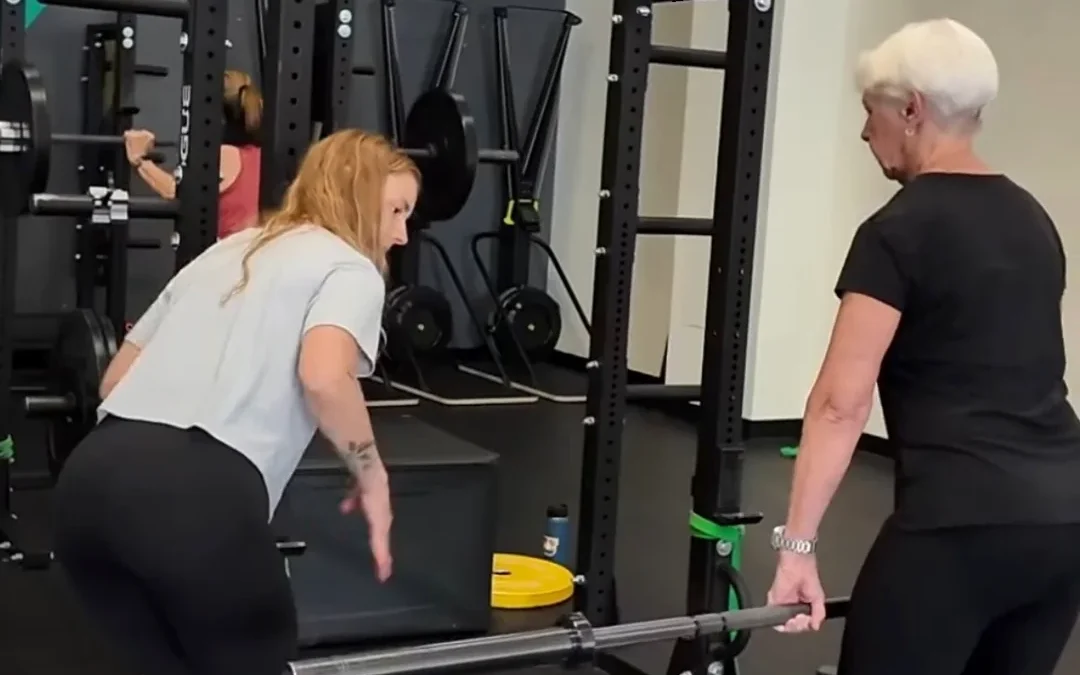
If you have back pain and osteoporosis, the next step is to understand what is causing the pain and build a movement plan that respects your bone health. Low bone density does not explain every backache. A new spinal compression fracture, an older fracture and recurring muscle or joint-related pain can need different starting points.
It is understandable to feel caught between two messages: “exercise to strengthen your bones” and “be careful with your back.” We help you turn those messages into something practical: how to move today, what needs medical attention and how to build back toward the activities you love.
Does osteoporosis cause back pain?
Osteoporosis often has no symptoms until a fracture occurs. A vertebral compression fracture happens when a bone in the spine loses height. It can cause sudden back pain, although some fractures are discovered on imaging without a memorable painful episode.
You can also have osteoporosis and a separate back-pain problem. A scan result is part of your history; we still want to know when symptoms began, where you feel them, what makes them change and how they affect daily life.
Have new, sudden or significantly worse back pain? If you have osteoporosis, pain after a fall or even a minor lifting incident deserves prompt medical review for a possible fracture. New leg weakness, loss of bladder or bowel control, or numbness in the saddle area needs urgent assessment. Once the cause is understood, we can plan useful rehabilitation rather than guess.
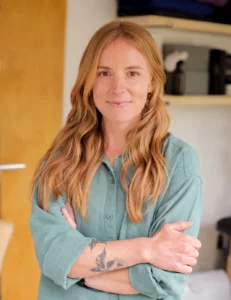
DPT, Cert. MDT
Your story comes first with Dr. Emily
Emily’s early work in neurological rehabilitation shaped her interest in movement, pain and what people want to get back to.
A fracture history changes the starting point. Emily discusses your symptoms, healing restrictions and medical guidance before choosing movement and strength practice; a class or heavier loading is not automatically the first step.
Meet Emily and explore her approach · Request a Free Case Review to discuss how to return to daily activity with appropriate guidance.
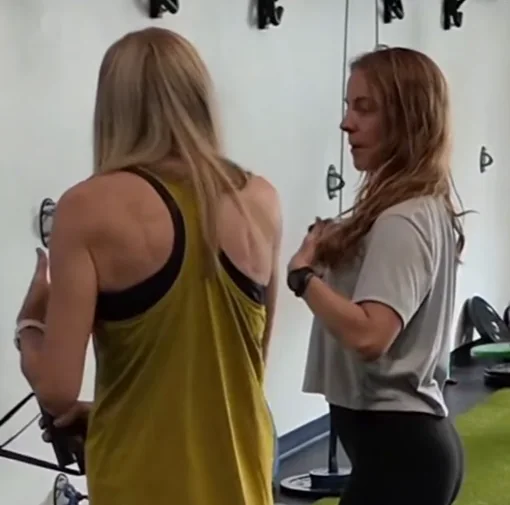
What should I ask after a compression-fracture diagnosis?
Bring these questions to the clinician managing your fracture:
- Is the fracture new or old, and what does that mean for activity now?
- Are there specific lifting, bending or other movement restrictions?
- What is the plan for pain management, follow-up and bone-health treatment?
- When should rehabilitation begin, and what changes should prompt another review?
You do not have to wait for every symptom to disappear before discussing rehabilitation. The appropriate timing and movement level depend on your fracture and medical guidance. A practical starting plan can help with getting out of bed, walking around the house and managing daily tasks while the next steps are clarified.
How can I get out of bed and move more comfortably?
Once your fracture team has explained your movement restrictions, small changes to everyday tasks can make a real difference. We can practice them with you rather than send you home with “avoid bending” and no explanation.
Getting in and out of bed
- Bend your knees a little and roll onto your side, moving your shoulders and knees together.
- Bring your lower legs over the edge while using your arms to press your upper body toward sitting.
- Pause with your feet supported before standing, especially if you feel lightheaded.
To lie down, reverse that sequence. The Too Fit To Fracture consensus gives bed-transfer examples with individual assessment in mind. Your brace, bed height and medical restrictions may change the setup; ask us to help you practice the version you need.
Chairs, cars and light household tasks
Use a stable chair with armrests if pushing through your arms makes standing easier. For a car, sit first and bring your legs around with your body rather than twisting while half-standing. Keep everyday items within easy reach, hold a light object close and turn by moving your feet. Split a heavy load into smaller trips within your restrictions.
Building walking back into your day
Begin with a distance you can manage on a level surface, using your usual walking aid if prescribed. Several short walks may be easier than one long outing. Note how far you go and how you feel afterward; increase one part of the outing at a time as recovery allows. A new fall, sudden pain increase or new weakness deserves reassessment.
How we help you move forward after a spinal fracture
At Mindful Movement, we start with your medical history, current guidance and the activities you want back. Dr. Emily is BoneFit trained and provides dedicated, one-on-one physical therapy. We can work on the movement skills, strength and confidence that make daily life more manageable.
- Make everyday movement easier. We can practice getting out of a chair, changing positions, walking and handling light objects with a setup that fits your symptoms and restrictions.
- Rebuild strength and control. As appropriate, we work on the legs, hips, back-supporting muscles and balance. The exercise version and challenge are chosen for your current ability.
- Progress toward your own goal. That might be carrying groceries, gardening, stairs, travel or a return to supervised lifting. We increase one part of the task at a time and keep checking your response.
The Too Fit To Fracture recommendations support a program combining resistance and balance training for people with osteoporosis, including those with vertebral fractures. They also recommend physical-therapy guidance after a vertebral fracture. The useful message is that you can work toward strength and activity with a plan, building on walking with appropriate strength and balance work.
We measure the things you want to do
Progress may mean getting dressed with less difficulty, walking longer, recovering more easily after an activity or feeling steadier on stairs. We can use repeatable strength and balance tasks alongside your own activity goals. Our free back-pain progress journal helps you record those changes without making every check-in about pain.
Bone-density monitoring remains part of your medical care. An easier chair rise and an improved DEXA result tell us about different parts of your health. We do not use a better movement score as proof that bone density has changed.
Where do the McKenzie Method and pain education fit?
If a fracture has been ruled out or your fracture-related guidance is clear, we may also assess how recurring back symptoms respond to movement. The McKenzie Method is a structured assessment approach. It helps us identify useful responses and build self-management where appropriate; it is not a single exercise everyone should copy.
Dr. Emily uses pain education to help you understand symptoms, reduce uncertainty and rebuild confidence. With a fracture history, we keep that conversation grounded in your actual bone health and restrictions. We account for healing and restrictions before choosing a movement, and take changed symptoms seriously.
When can I return to lifting or Strong Bones Strength Class?
An individual appointment is usually a more useful starting point when you have a recent fracture, limiting back pain or uncertainty about restrictions. We can identify what you are ready to practice and what needs closer attention before a group setting.
When regular coached strength work fits your needs, Strong Bones Strength Class gives you a small-group place to learn technique and progress. Classes meet Tuesday and Thursday, noon–1 p.m., in Holladay. Beginners are welcome; you do not need to arrive knowing the lifts.
What LIFTMOR tells us—and what changes after a fracture
The eight-month LIFTMOR trial studied screened postmenopausal women with low bone mass. Twice-weekly supervised resistance and impact training improved average spine bone density by 2.9%, compared with a 1.2% decline in the low-intensity home-exercise group. Strength and physical-function measures improved too.
Those findings are encouraging for supervised, progressive loading. They are not a ready-made workout for a new compression fracture: the trial excluded recent fractures and localized back pain. We use research-informed loading principles alongside your history, technique and readiness. Our BoneFit and LIFTMOR guide explains the difference between professional exercise guidance and a study protocol.
From back-pain recovery to feeling stronger in class
Google review: Kathy T.
“Emily has been great at helping me with proper technique to get the most out of lifting…”
What to bring to your first appointment
Bring your DEXA report and fracture-related imaging or medical instructions if available, along with any lifting or movement restrictions. Tell us what you most want help with: getting out of bed, carrying everyday items, walking farther, stairs or returning to an activity you miss.
At the first appointment, we make the plan practical. Dr. Emily listens to your history, observes movement appropriate to your current guidance, and helps you practice a manageable version of a task. You should understand what to work on, what needs adaptation and how we will decide when to progress.
Individual PT gives us dedicated time to address the pain and movement barriers that are specific to you. As your plan progresses, we can discuss a home routine or Strong Bones Strength Class so you understand how to keep improving.
How fracture risk fits into your return to activity
Your scan, fracture history, symptoms and medical guidance help shape the plan. A FRAX estimate can inform the medical risk conversation, but it does not prescribe your starting exercise or prove that a particular lift is safe.
We also want to know where you want to go. Our hiking guide explains how strength, downhill control and balance can support trail preparation. If you live farther away, virtual coaching can help with general movement education and wellness planning; active fracture rehabilitation needs the appropriate clinical care.
Common questions about back pain and osteoporosis
How long does compression-fracture recovery take?
Healing commonly takes weeks to months, and feeling confident with daily tasks can take a different amount of time. Persistent pain does not automatically mean you should stop moving, but pain that is worsening, newly focal or limiting recovery needs another assessment. Your fracture clinician guides healing and restrictions; we help rebuild the movement and strength you need as the plan progresses.
Can physical therapy help after a compression fracture?
Physical therapy can help with movement skills, strength, balance and return to daily activities, with the plan adapted to the fracture and medical guidance. It does not restore a compressed vertebra to its original shape. The aim is to help you function more comfortably and confidently as you recover and build longer-term strength.
Should I stop exercising if I have osteoporosis and back pain?
New or significantly changed back pain needs assessment, particularly after a fall or lifting incident. Once you know what is causing it, ask which activities are appropriate now. Complete inactivity and a demanding workout are not the only choices; we can help identify a manageable starting level.
Are all bending and twisting movements unsafe?
Movement choices depend on your fracture history, symptoms and the load involved. Repeated or heavily loaded spinal bending and forceful twisting may need modification, especially after vertebral fractures. We teach practical ways to reach, turn and lift so that advice does not leave you afraid of every daily movement.
Can I start with Strong Bones Strength Class if I have had a fracture?
A past fracture does not automatically decide the answer. We need to understand healing, restrictions, current pain and how you move. A recent fracture or limiting pain usually calls for an individual conversation first. Our Strong Bones Strength Class fit guide helps you prepare that conversation.
Will exercise replace my osteoporosis medication?
Strength and balance training can complement your medical bone-health plan. The decision about medication depends on fracture risk and belongs with your prescribing clinician. A class or a stronger lift is not a reason to stop medication on your own.
Do I need a referral, and can I work with you virtually?
No referral is needed to contact Mindful Movement or begin individual PT. We provide one-on-one care in Holladay, serving Greater Salt Lake City. Virtual coaching from anywhere can support movement education and wellness goals; we will explain when a clinical assessment or local medical care is the appropriate next step.
Find a starting point that respects your bones
Feeling afraid to move is understandable when back pain and low bone density overlap. Once the cause of pain and any medical restrictions are clear, we can help you practice everyday movements and build a plan around walking, getting up and the activities you miss.
In your Free Case Review, we’ll listen to what you want back, answer your questions and help you decide whether care with Mindful Movement fits. Send a request and we’ll contact you by phone or text to arrange a time.
Dedicated one-on-one PT with Dr. Emily Warren, DPT, Cert. MDT—McKenzie certified. No referral needed. Your first PT visit is 60 minutes for assessment, explanation and a starting plan practiced together. The Free Case Review is a conversation before care.
In-person care at our Holladay clinic, serving Greater Salt Lake City. Virtual coaching from anywhere.
Call/text (385) 332-4939.
Explore individual osteoporosis physical therapy · Explore back-pain care
About our approach: Dr. Emily Warren, DPT, Cert. MDT, combines individualized back-pain assessment, pain education and BoneFit-informed strength guidance. BoneFit is an evidence-informed exercise-training program for professionals; read the official BoneFit overview. This article is general education; your fracture history and medical guidance shape your rehabilitation plan.