
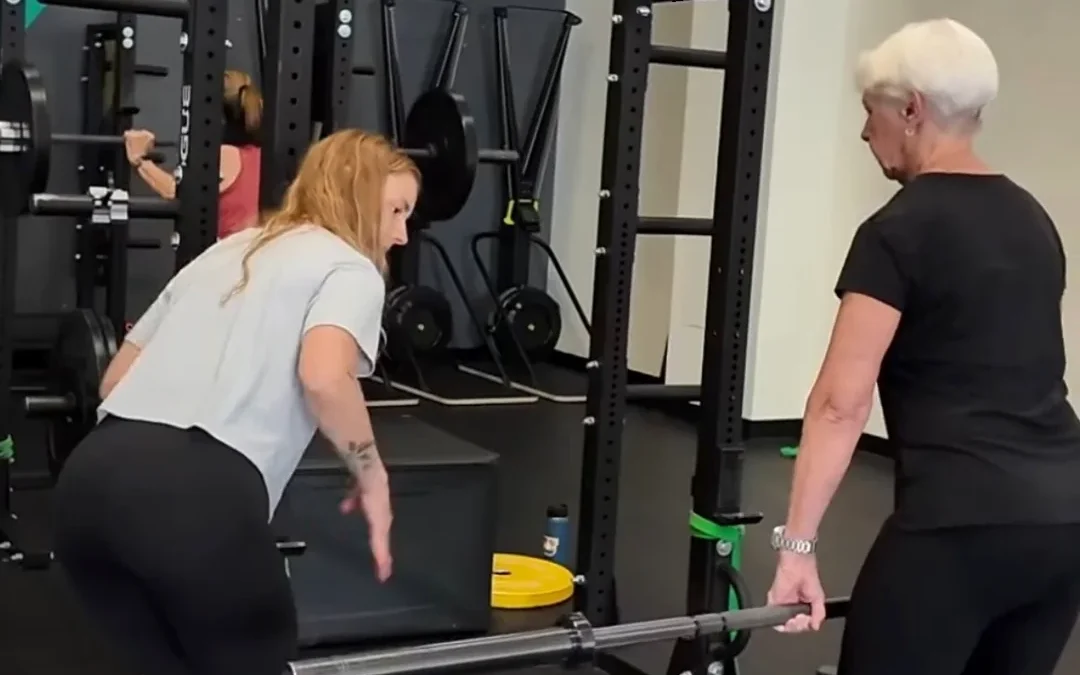
Knowing you should exercise is different from knowing how to begin. We help you learn useful strength and balance exercises, adapt movements to your history and build confidence through practice. Dr. Emily’s BoneFit training adds focused osteoporosis exercise education to that individual care.
One-on-one PT with Dr. Emily Warren, DPT, Cert. MDT. No referral needed. In-person care in Holladay, serving Greater Salt Lake City, and virtual coaching from anywhere.
What BoneFit training means for your care
BoneFit is an evidence-informed exercise workshop for health and exercise professionals. The training combines online learning, live instruction and an assessment. Dr. Emily is BoneFit trained; she brings that focused education to decisions about strength, balance and movement with osteoporosis.
What matters to you is how we use it: explaining an exercise, adapting it for your fracture history or symptoms, and helping you progress rather than leaving you with a long list of things to avoid. Read the official BoneFit USA overview.
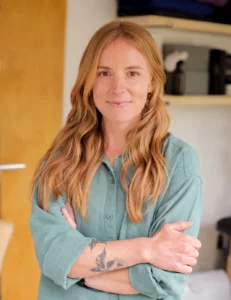
DPT, Cert. MDT
Get a clear plan for stronger bones at your first visit with Dr. Emily
Emily’s early work in neurological rehabilitation shaped her interest in movement, pain and what people want to get back to.
Emily is BoneFit trained. She considers fracture history, symptoms and experience with weights, watches you practice and helps adjust the challenge. In Strong Bones Strength Class, the aim is learning useful technique and building strength you can carry into daily life.
Meet Emily and explore her approach · Request a Free Case Review to discuss how to feel stronger and more confident with exercise.
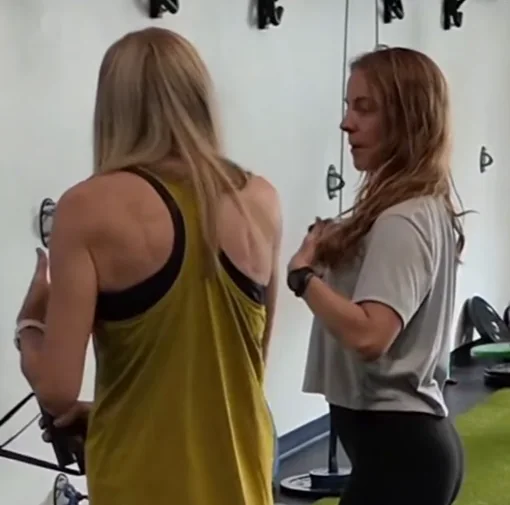
Watch how we support your strength training
Why we keep our bone-strengthening classes small
Dr. Emily explains how we watch your movement, help you modify an exercise and progress it when you are ready. We want you to feel supported while doing enough work to build strength and confidence.
Key points from the video
- Dr. Emily keeps the strength classes small so she can watch technique and offer individual attention.
- Exercises can be modified when needed and progressed when someone is ready.
- The goal is enough challenge to build strength, support bone health and grow confidence.
Turn “be careful” into instructions you can use
Being told to exercise and protect your bones can feel confusing. We make the advice practical: where to start a lift, how to turn with an object, which exercise variation fits you and what to do as it gets easier. Pain, a previous fracture or an unfamiliar movement is a reason to teach and adapt, rather than assume you should stop exercising.
Movement modifications should come with an alternative
Repeated, forceful or loaded spinal rounding and twisting may need modification, especially with vertebral fractures. We look at the movement, load and your fracture history together. A T-score is not a stand-alone rule that bans an entire sport or exercise.
- Reaching toward the floor: practice a hip hinge or raise the object so you can learn the lift with more control.
- Turning with a load: keep the object close and step your feet around instead of forcing a loaded twist.
- Impact exercise: choose the starting level using balance, symptoms and fracture history. A drop landing from a research trial is not the first step for everyone.
Our exercise-modification guide gives more examples. After a fracture, the compression-fracture guide explains how everyday movement and rehabilitation fit together.
What BoneFit-Informed Sessions Look Like at MMPT
A typical session with Dr. Emily integrates BoneFit principles into every aspect of your treatment. Depending on your assessment findings, a session might include:
Balance and Fall Prevention Training
We practice the steadiness you need for stepping, turning and moving around obstacles. Strength and balance training address the chance of falling, while your medical bone-health plan addresses other parts of fracture risk. We choose the challenge and support so practice is useful and manageable.
Posture and Back Strength for Daily Activities
We look at how you sit, stand, reach and use your back during the day. Back and shoulder strengthening, comfortable positioning and changes to a daily task can give you more ways to move. We explain what an adjustment is meant to help, rather than leave you trying to hold a perfect posture all day.
Learn Safer Lifting for Everyday Life
Groceries, laundry baskets and garden supplies are part of life. We practice keeping an object close, finding a comfortable hip hinge and turning with your feet when that helps. If reaching to the floor is difficult, we can raise the starting surface and teach the movement there. You have a way to participate and build skill, instead of only a list of things to avoid.
Functional Movement Training
Getting up from the floor. Reaching overhead. Carrying objects while navigating stairs. Dr. Emily assesses your functional capacity and builds exercises that directly improve the movements you need for independent living.
Progressive Resistance Training
We choose a starting exercise using your fracture history, symptoms, balance and experience, then watch you practice. If a chair rise becomes controlled and manageable, the next step might be a different chair height or added resistance. We look at your technique, effort and recovery before changing one part of the challenge. Our practical lifting guide explains how we build from a starting level.
How BoneFit and LIFTMOR fit together
BoneFit is professional exercise education. LIFTMOR is a research trial of supervised resistance and impact training. Our Strong Bones Strength Class is the service we offer. We draw on the research while teaching movements and adapting the challenge to the person in front of us. Explore the differences between BoneFit and LIFTMOR.
How to find an osteoporosis-aware physical therapist
You can use the BHOF BoneFit professional locator when researching providers. Then ask what your care will actually involve:
- How will you account for my fracture history, current pain and medical guidance?
- Will you watch me practice and help me choose a starting resistance?
- How will we decide when to progress or modify an exercise?
- Should I start with individual care or a supervised class?
At Mindful Movement PT, Dr. Emily provides one-on-one bone-health PT in Holladay, serving Greater Salt Lake City. You do not need a referral. If coached group practice is the better fit, Strong Bones Strength Class meets Tuesday and Thursday, noon–1 p.m. We can help you choose a starting point in a Free Case Review.
What progress looked like in the LIFTMOR research
There is a measurable reason to train for bone health. In LIFTMOR, postmenopausal women with low bone mass completed eight months of supervised resistance and impact training. Average lumbar-spine bone density rose 2.9%, compared with a 1.2% decline with low-intensity home exercise. Strength and physical-function measures also improved. Read the trial.
We use this research to guide purposeful, progressive training with coaching, starting where you are. See the full results, including how many participants maintained or increased spine bone density.
Google review: Elizabeth W.
“She is very hands on and ensures form is correct, she teaches, and modifies where necessary.”
Frequently Asked Questions About BoneFit Physical Therapy
What is the difference between a BoneFit-trained therapist and a regular physical therapist?
BoneFit adds focused education on exercise selection, progression and modification for people with osteoporosis. Ask how a clinician will account for your fracture history, symptoms, balance and training experience.
Is BoneFit only for people who already have osteoporosis?
No. BoneFit principles apply to anyone with osteopenia (T-score between -1.0 and -2.5), osteoporosis (T-score at or below -2.5), or significant risk factors for low bone density. If you are postmenopausal, have a family history of osteoporosis, or have other risk factors, BoneFit-guided exercise can be preventive as well as therapeutic.
Can I continue my current exercise routine if I have osteoporosis?
Often you can keep activities you enjoy while adapting parts of the routine. We review the exercises, technique, load, symptoms and fracture history together. Dr. Emily can help you choose alternatives where needed and keep building strength without making every movement feel off limits.
How is BoneFit different from the LIFTMOR protocol?
BoneFit trains professionals to prescribe and progress exercise for people with osteoporosis. LIFTMOR tested a specific supervised strength-and-impact program. We use both kinds of knowledge to build a plan around your needs; neither label replaces your own assessment.
Do I need a physician referral to see a BoneFit-trained physical therapist?
No. Utah law allows direct access to physical therapy without a physician referral. Start with a Free Case Review to discuss your goals. If you are managing osteoporosis with medications (bisphosphonates, denosumab, etc.), Dr. Emily will coordinate with your prescribing physician so your exercise program aligns with your overall treatment plan.
How many sessions will I need?
We decide that together after understanding your goals and starting point. Some people want individual help to learn the movements or work through pain, then continue independently or in Strong Bones Strength Class. Others benefit from ongoing coaching. We review your progress and the support you need rather than assigning the same number of visits to everyone.
Written by Dr. Emily Warren, DPT, credentialed McKenzie therapist
Dr. Emily is the owner of Mindful Movement PT in Holladay, serving Greater Salt Lake City. She is a credentialed McKenzie therapist. Learn about Dr. Emily’s credentials and clinical background, or explore how assessment, education and exercise guide care at Mindful Movement PT.
Serving Greater Salt Lake City — new appointments in Holladay
Holladay Clinic
4890 Highland Dr, Holladay, UT 84117
Near Cottonwood Heights & Millcreek
Serving Holladay, Salt Lake City, Sugar House, Millcreek, Cottonwood Heights, Murray, Sandy, Draper, Park City & surrounding communities. Virtual coaching appointments also available. 385-332-4939 |